
Sprockets are gear-shaped parts, also called chain wheels. Its function is to transmit the rotation of the shaft to the chain and transmit the rotation of the chain to the shaft.
There are four main types of sprockets as established by the American National Standards Institute (ANSI), depending on the hub design.
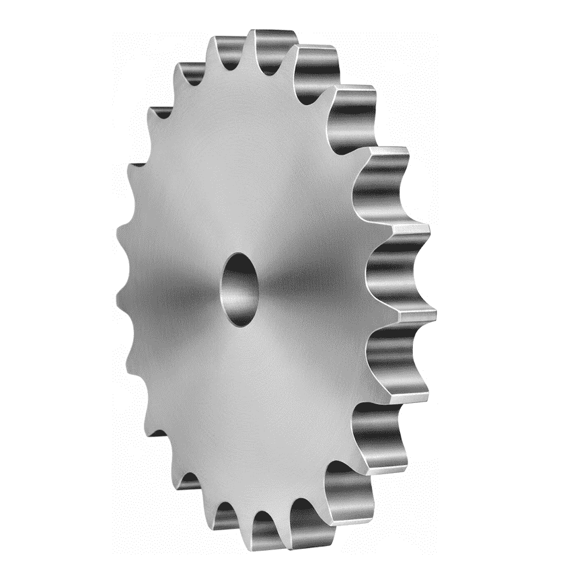
Type A sprockets are only the plate with no added thickness or hubs.
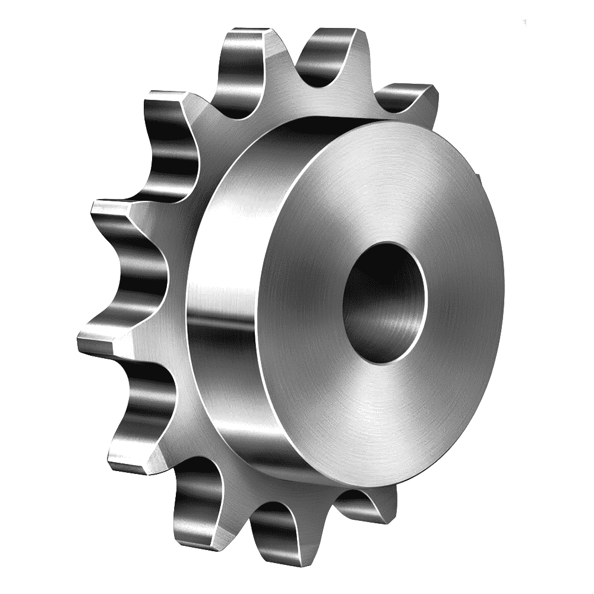
Type B sprockets have a hub on one side.
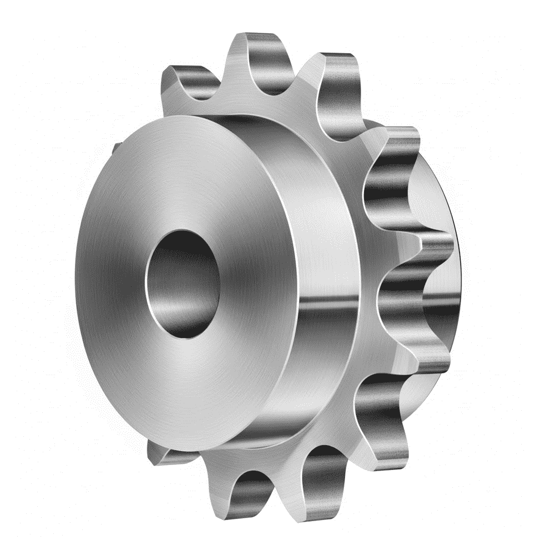
Type C sprockets have hubs of equal thickness on both sides of the plate.
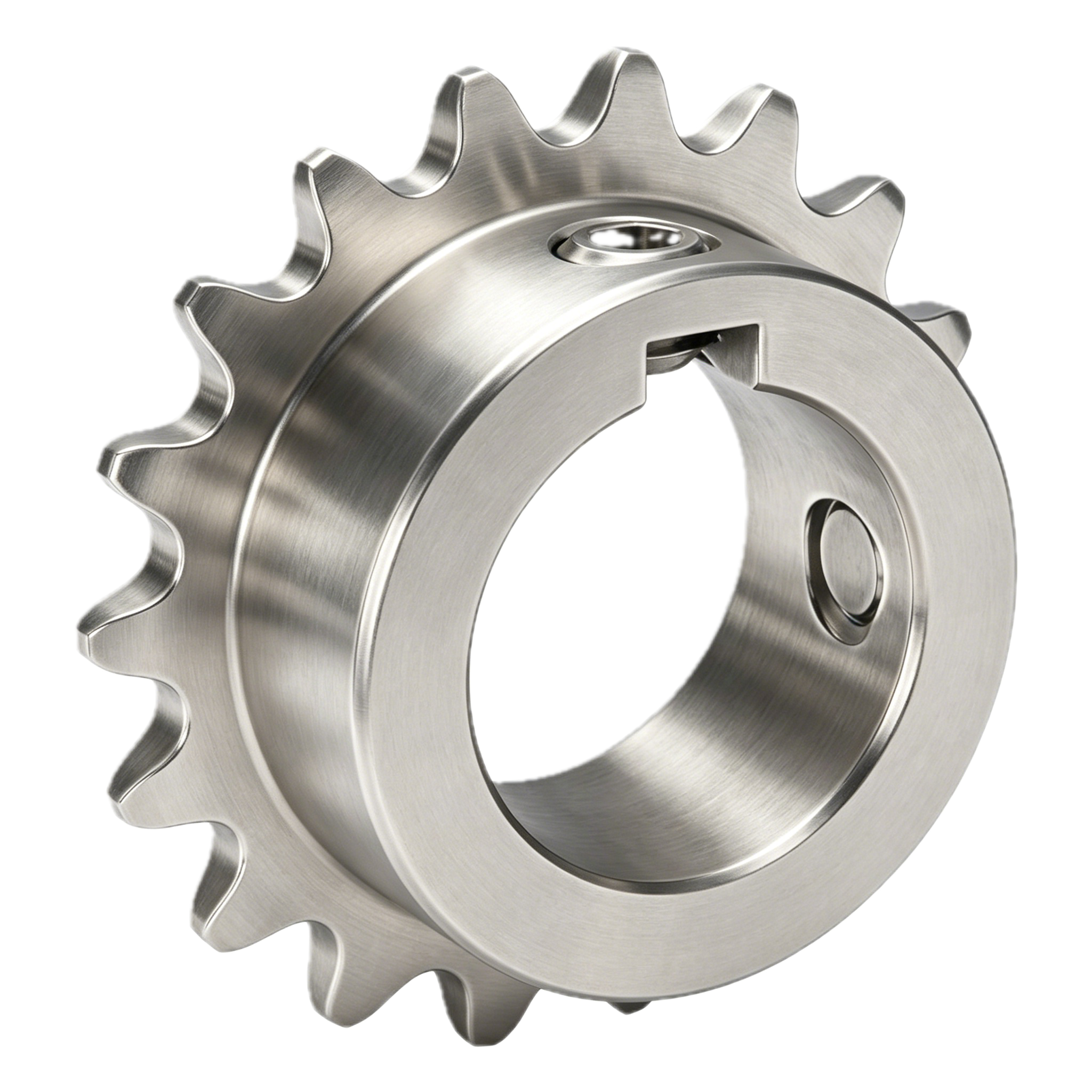
Type D sprockets have hubs of different thicknesses on both sides of the plate.
The number of rows of teeth determines the load capacity and power density of the system.
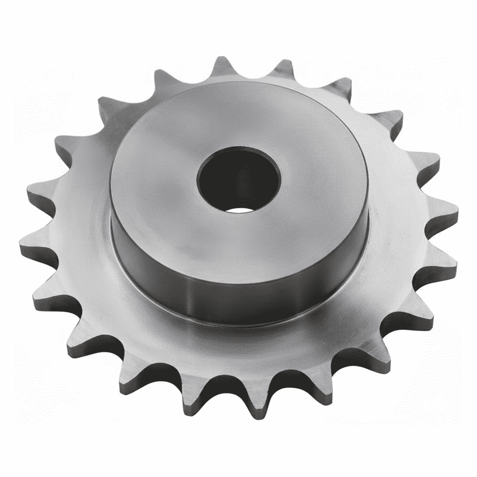
The most common type, used for standard power transmission in medium-load applications.
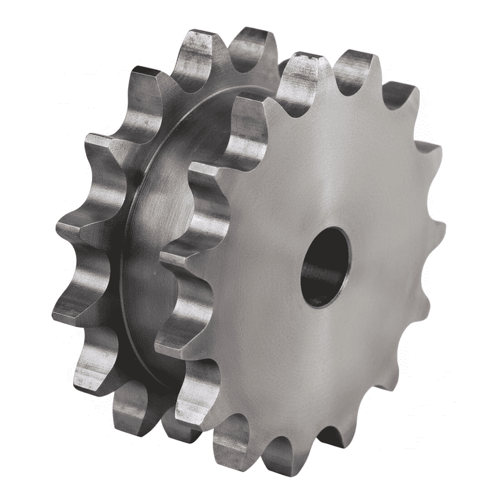
Two parallel rows of teeth provide higher torque and power transfer. The chain width stays the same.
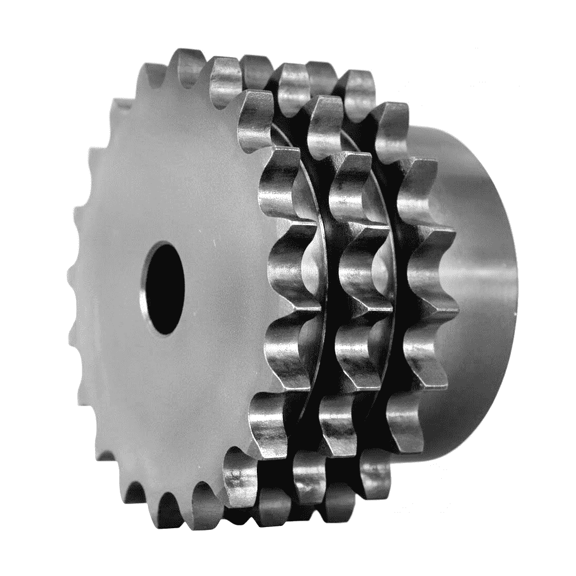
Utilizes three rows for heavy-duty, high-power applications in demanding industrial environments.
The way a sprocket attaches to a shaft defines its mounting configuration type.
Designed with a basic pilot hole, which is ideal for machining to your required shaft sizes plus keyway or grub screws if needed.
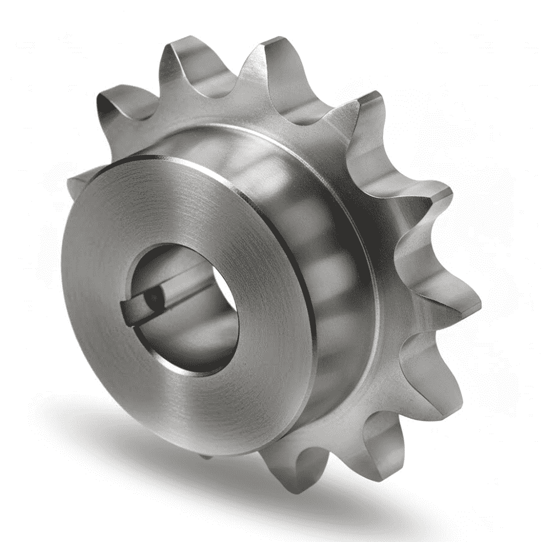
hese come pre-bored and keyed to fit standard shaft sizes. You can install them immediately without additional machining.
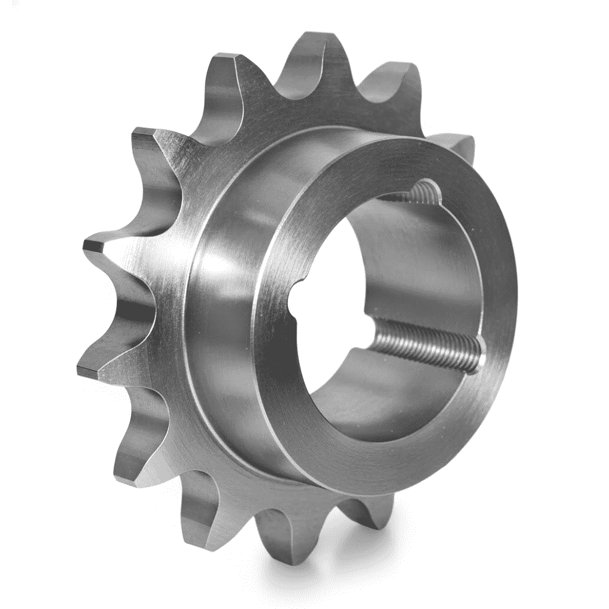
The tapered bushing locks the sprocket securely onto the shaft. It provides superior clamping force and makes installation easy.
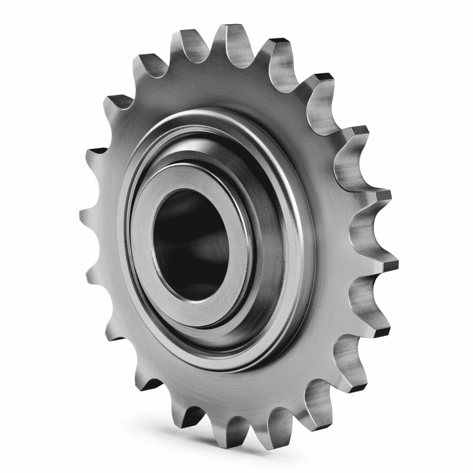
Unlike standard sprockets, Idlers are used to guide the chain path, manage chain slack, and maintain proper tension in long-span drives.
Selecting the right sprocket material is a balancing act, weighing factors like operating environment, load, and expected service life.

Highly durable and versatile, carbon steel is the go-to material for heavy-duty power transmission.
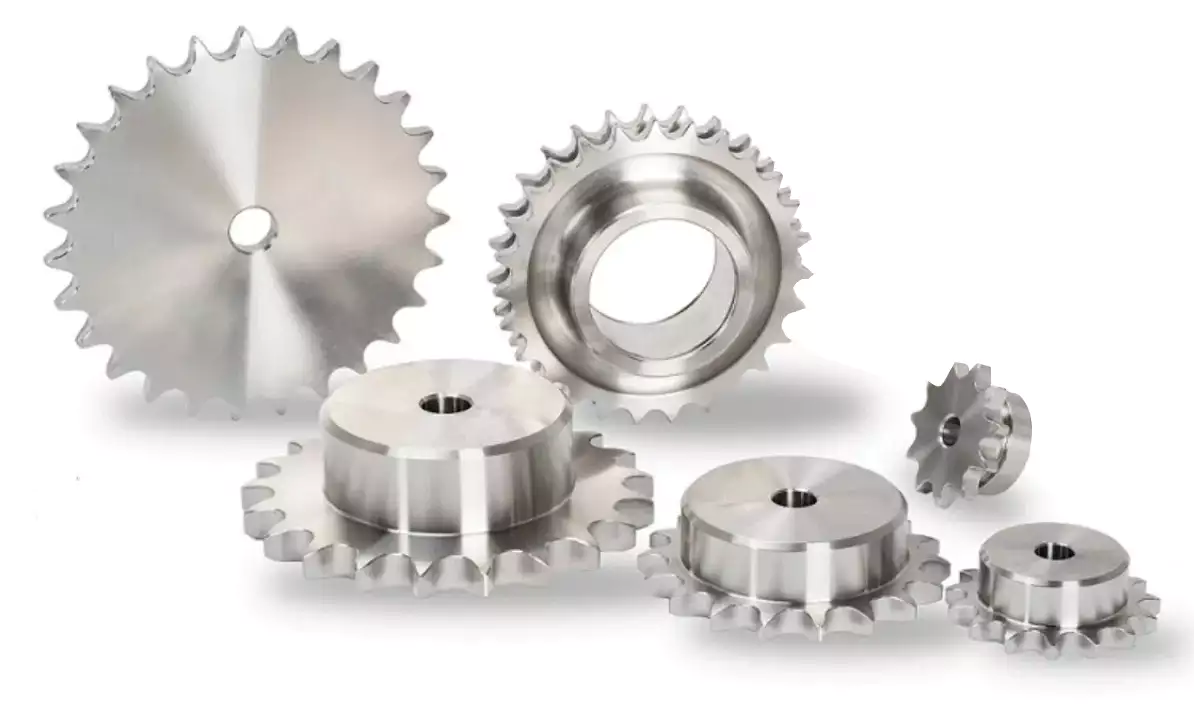
Mandatory for corrosive environments. Grade 304 for food processing & grade 316 for marine & high-acid environments.
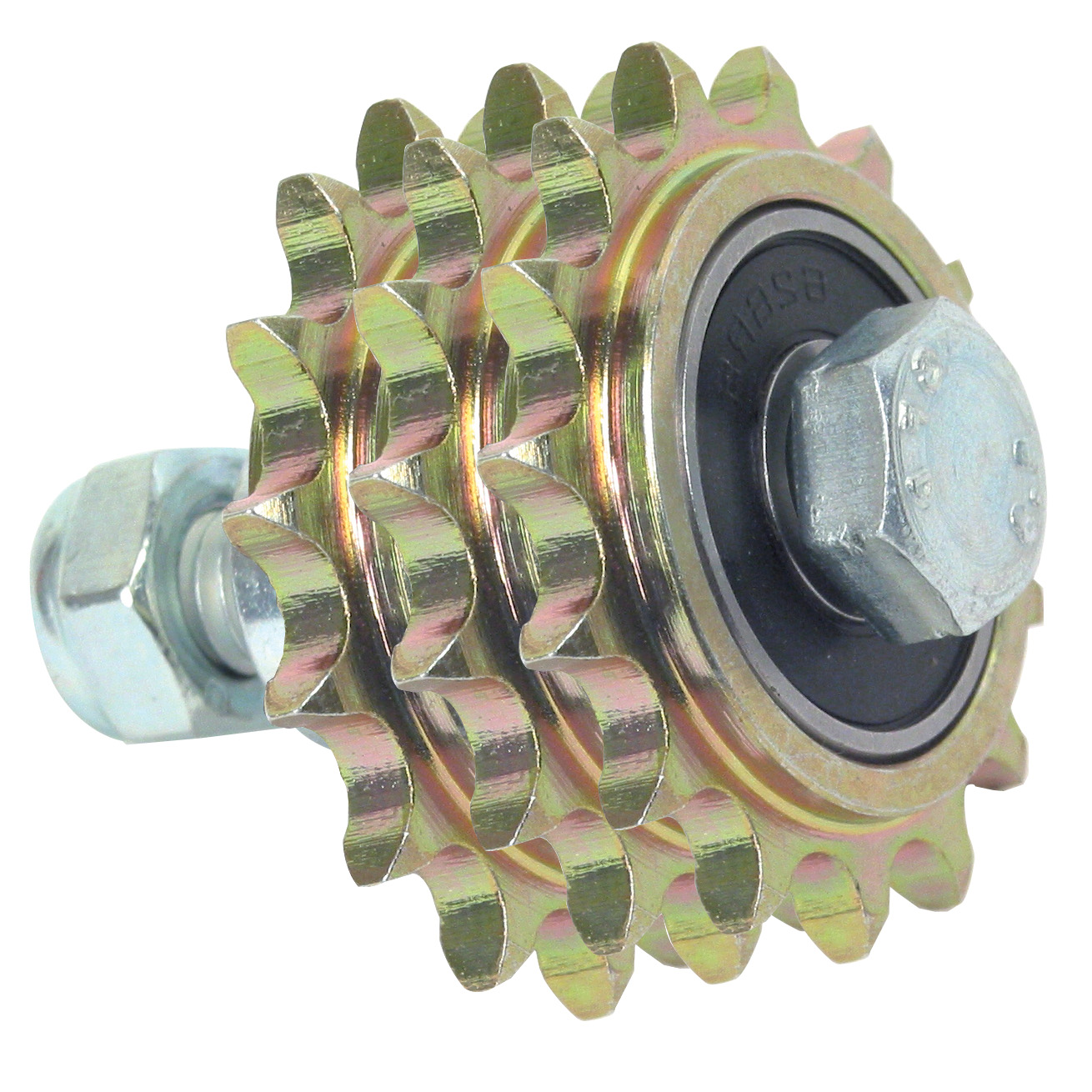
Ideal for heavy-duty operations, it offers excellent wear resistance and withstands high torque and stress.
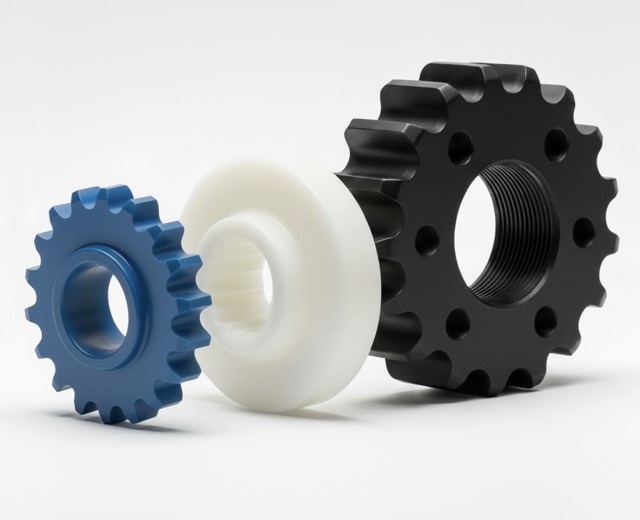
Used for noise reduction or chemical resistance. Self-lubricating properties, and 100% rust-proof.